
Family-Friendly Floor Plans That Grow With Your Kids
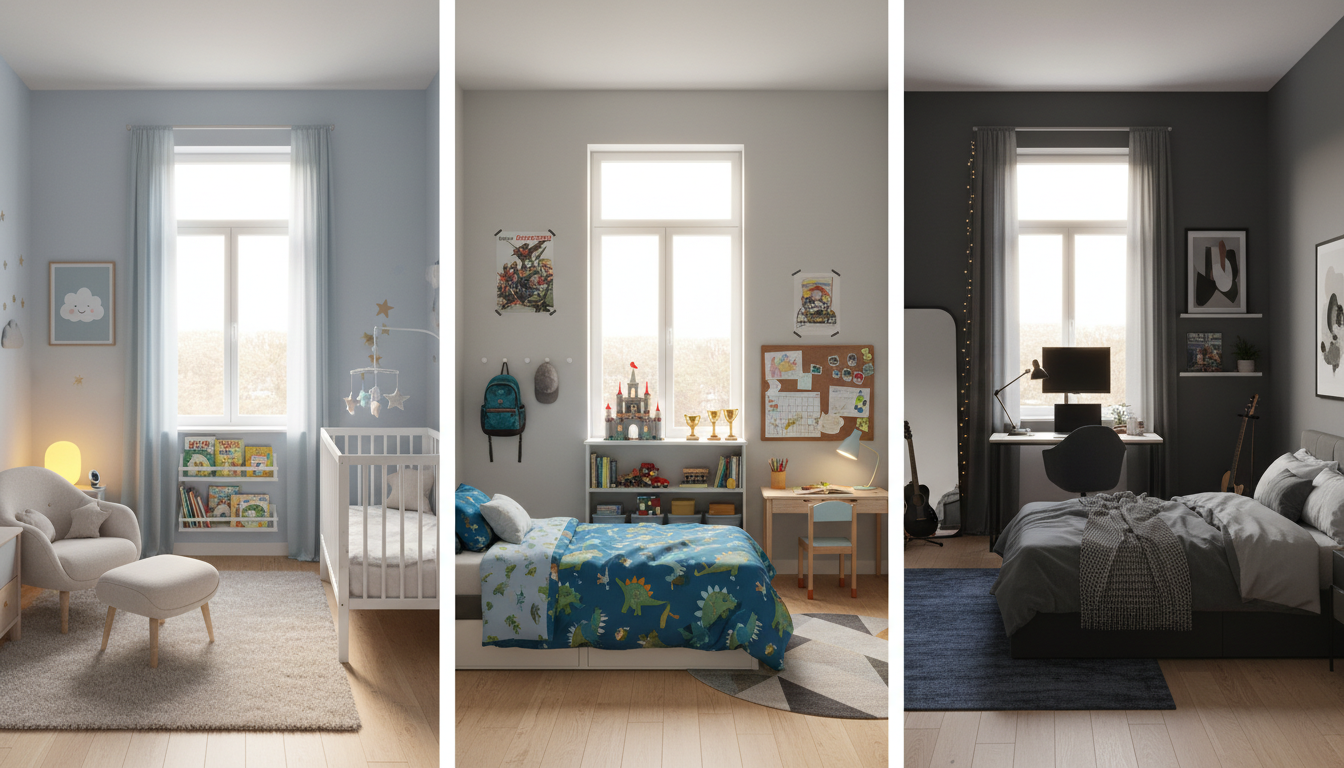
Spaces that adapt from toddler years to teen life
Designing a home for a growing family is equal parts joy, logistics, and foresight. What works beautifully when your eldest is in nappies can quickly feel cramped, chaotic, or just plain impractical when you’re juggling homework, sport bags, sleepovers, and P-plate timetables. The secret isn’t more square metres—it’s smarter ones.
In Queensland, where the lifestyle is outdoors-forward and the climate encourages cross-breezes and indoor–outdoor living, a family home design should feel easy, breathable, and future-friendly. That’s where adaptable floor plans shine. With the right zoning, storage, multi-use rooms, and acoustic control, you can create a home that evolves seamlessly from toddler-safe to teen-ready.
Homes by Markon and The Markon Group specialise in flexible, family-first design—from bespoke residences to custom modular prefabricated buildings—so your home can be purpose-built now and still perfect later. Below, we’ll walk through the core principles and room-by-room strategies to help you plan a child friendly home that grows with your kids.
Why Adaptability Matters (More Than You Think)
- Life stages shift quickly
Cot to bunk bed. Duplo to devices. Playdates to study groups. The layout, storage, and sound control that worked for a toddler can unravel when you hit the school years (and again when the P-plater era arrives).
- Queensland lifestyle = indoor–outdoor flow
Alfresco zones, shaded play spaces, and breezy living rooms aren’t just nice-to-have—they’re essential in QLD. Designing for climate means thinking about daylight, heat loads, cross-ventilation, and durable finishes from day one.
- Better value, lower stress
A well-zoned, acoustically considered plan with generous storage prevents costly retrofits. Multi-use rooms and modular joinery let you reconfigure rather than rebuild.
The Four Pillars of a Family-First Floor Plan
1) Zoning: Calm Where You Need It, Energy Where You Want It
Zoning separates quiet, sleep-friendly spaces from lively, social ones. Think of your home in three layers:
- Sleep Zone: Bedrooms, nursery, and retreat spaces (ideally grouped together away from the main living hub).
- Living Zone: Kitchen, dining, family room, alfresco.
- Utility Zone: Mudroom, laundry, storage walls, garage access, and tech hubs.
Key moves:
- Cluster children’s bedrooms in a “kid wing” with a nearby bathroom and a small retreat or activity nook.
- Keep the main suite slightly removed—either at the opposite end or on a separate level—to balance privacy and easy access.
- Position loud functions (kitchen appliances, home gym, media room) away from sleeping areas.
- Use hallways and pocket doors to create transitional “sound buffers.”
In two-storey homes, place primary living downstairs and a kid retreat upstairs adjacent to bedrooms. In single-storey Queenslander-inspired plans, use breezeways, wraparound verandahs, or a central courtyard to create natural separation.
2) Storage: The Backbone of Sanity
Family clutter isn’t a flaw—it’s a season of life. Intelligent storage makes it disappear.
- Entry/Mudroom:
Built-in bench, shoe drawers, bag hooks at child height, lockable drop zones for keys/devices, and a washable runner. - Living Room:
Low-profile joinery with deep drawers, a concealed charging hub, and adjustable shelving that shifts from toy bins to books and board games. - Kitchen:
A generous butler’s pantry for bulk buying, snack baskets, and small appliances; vertical tray dividers; deep drawers for pots and lunchboxes. - Laundry:
Tall cabinets for brooms and sports gear, slide-out hampers, overhead drying rails, and an outdoor connection to the clothesline. - Bedrooms:
Wardrobes with adjustable hanging rails, integrated desk nooks for later years, under-bed drawers or lift-up frames. - Garage:
Wall-mounted storage panels, ceiling racks for seasonal items, a dedicated sports bay, and a separate garden-tools corner for safety.
Design tip: Choose durable, wipeable finishes and protect high-traffic zones with kick plates, corner guards, and hardwearing flooring.
3) Multi-Use Rooms: One Space, Many Lives
Rooms that flex with your family are budget-friendly and future-proof.
- Nursery-to-Study:
Plan a neutral, restful room with blackout blinds now; later, swap the cot for a desk and add acoustic pinboards. - Playroom-to-Retreat:
Start with soft flooring, low storage, and open floor space. Over time, introduce a sofa, desk alcove, and better task lighting for homework or gaming. - Guest Room-to-Teen Suite:
Include a wardrobe, a compact desk niche, and access to a nearby bathroom. - Media Room-to-Multipurpose:
Acoustic wall panels, blackout curtains, and a sliding door let it serve as movie den, music room, or quiet study space. - Alfresco-to-Outdoor Classroom:
Covered deck with ceiling fans, a robust outdoor table, and storage bench seating for art supplies or sports gear—great for craft, homework, or weekend barbecues.
Smart joinery is your best ally: wall beds (Murphy beds), pull-out desks, and modular shelving transform spaces within an afternoon.
4) Acoustic Control: Peace Is Practical
A quiet home is a calmer home. You don’t need to go full recording studio—just apply a few evidence-based principles.
- Floor coverings:
Use area rugs over hard floors in living and activity zones to absorb sound. - Walls and doors:
Consider sound-rated plasterboard in shared walls; solid-core doors reduce noise bleed dramatically. - Layout:
Offset bedroom doors (avoid direct face-to-face with living rooms) and add hallways or nib walls to disrupt sound paths. - Soft furnishings:
Curtains, upholstered furniture, acoustic pinboards in study zones, and fabric wall panels in media rooms all help. - Appliances:
Choose low-decibel models and isolate noisy equipment (e.g., position the laundry away from sleep zones).
Room-by-Room Adaptability Overlays
Below are practical overlays you can apply now, with a path to evolve each space over time. Think of these as modular “layers” you can add or refresh as your children grow.
Entry and Mudroom
- Now:
- Wall hooks at child height
- Pull-out shoe drawers and labelled cubbies
- Durable flooring with a tray for wet shoes
- A lockable drawer for keys and medication
- Later:
- Taller hanging for school blazers and uniforms
- A charging drawer for devices and a family calendar screen
- Narrow parcel cupboard with external drop slot for courier deliveries
Kitchen and Dining
- Now:
- Island bench with waterfall corners for safety
- Pantry “kids shelf” for snacks and lunch prep
- Easy-clean surfaces and rounded hardware
- Later:
- Breakfast bar with power for laptops
- Integrated workstation near the pantry for homework supervision
- Ambient, task, and accent lighting layered for both family dinners and teen gatherings
Living Room
- Now:
- Low built-ins with deep drawers for toys
- Corner protected play area with soft rug
- Recessed TV and cable management out of reach
- Later:
- Modular sofa with washable covers
- Zoned lighting scenes for study vs. movie nights
- Acoustic rugs and wall decor to reduce echo
Kid Retreat / Activity Nook
- Now:
- Open shelving boxes with picture labels
- Oil-based paint or washable low-VOC finishes
- Floor cushions and a flip-out play mat
- Later:
- Built-in desk run with under-shelf LED strips
- Pinboard walls for timetables and art
- Sliding door to provide separation during study or sleepovers
Bedrooms
- Now:
- Cots and toddler beds with soft, rounded furnishings
- Blockout blinds and dimmable warm lighting
- Wardrobes with adjustable rails and toy drawers
- Later:
- Loft bed with a desk nook underneath for compact rooms
- Cable-managed study desk and ergonomic chair
- Reading light, task light, and nightlight on separate circuits
Bathrooms
- Now:
- Step-stool-friendly vanities and anti-scald mixers
- Non-slip tiles and easy-clean grout
- Shelf niches for bath toys
- Later:
- Twin basins for morning rush
- Tall mirror cabinet with internal charging for electric toothbrushes
- Back-to-wall baths for easier cleaning
Laundry
- Now:
- Three-bin sorter (lights/darks/sports)
- Pull-out ironing board and overhead drying rail
- Direct access to outdoor clothesline to capture breezes
- Later:
- Extra washer/dryer stack for sports-heavy households
- Ventilated drying cabinet for wet seasons
- Durable benchtop for school bag sorting and badge sewing
Home Office / Study Zone
- Now:
- Shared study nook near kitchen for supervision
- Cable ducting and lockable drawers
- Adjustable stools for different ages
- Later:
- Acoustic panels and a sliding door for privacy
- Task lighting with high CRI for accurate colour rendering
- Multiple power points and USB-C for device-heavy years
Media / Multipurpose Room
- Now:
- Soft flooring and blackout curtains for nap-friendly movie sessions
- Wall reinforcement for future TV or projector mount
- Toy storage disguised as bench seating
- Later:
- Solid-core door for sound isolation
- Sound-absorbing wall panels and ceiling baffles
- Seating that transitions from floor cushions to tiered lounges
Outdoor Areas and Pool
- Now:
- Shaded alfresco with ceiling fans and a durable dining table
- Synthetic or hardy turf play patches and scooter loops
- Storage bench for balls and outdoor toys
- Later:
- BBQ station with bar fridge and lockable knife drawer
- Outdoor screen for movie nights
- Herb gardens for science projects and cooking
If you’re including a pool, ensure it has glass fencing or a government certified fence that meets Queensland safety standards. A frameless glass fence offers clear sightlines from the kitchen and alfresco, supports supervision, and visually enlarges your yard.
Roofing note: For thermal performance and longevity in Queensland’s sun, a white Colorbond roof reflects heat and helps keep the home cooler. Pair with appropriate insulation and ventilation for best results.
Layout Patterns That Work for Queensland Families
- Pavilion Style with Courtyard
Separate living, sleep, and utility pavilions around a protected courtyard. Sliding doors enable flow, while each pavilion can be closed off for quiet time or aircon efficiency.
- L-Shape with Northern Alfresco
Wrap living spaces along the northern edge for winter sun; deep eaves and a covered alfresco temper summer heat. Bedrooms form the shorter leg of the L for separation.
- Upstairs Kid Wing
Kids’ bedrooms and a retreat upstairs; primary suite on ground near a nursery that later becomes a study. Keeps noise contained and gives everyone a little independence.
- Linear Breezeway
A central breezeway aligns windows and doors to harness cross-ventilation. Play areas and living spaces spill onto the alfresco for year-round usability.
Homes by Markon can tailor any of these patterns, or design a bespoke hybrid that fits your block, outlook, and family rhythm.
Safety and Durability: Ready for Real Life
- Rounded corners on benchtops and joinery, especially at toddler height
- Matte, low-glare finishes to hide smudges and reduce visual noise
- Slip-resistant tiles in wet areas and near exterior thresholds
- Hardwearing flooring: hybrid planks, engineered timber, or porcelain tiles with large-format rugs
- Child locks where needed now, concealed later
- Window furnishings with cordless mechanisms
- Zoned air conditioning with lockable controls
Climate-Savvy Comfort: Light, Shade, Breeze
- Orientation:
Position living areas to maximise winter sun while shading them in summer using eaves, screens, and planting. - Cross-Ventilation:
Align openings to promote breeze paths; consider louvres with insect screens. - Glazing:
Use performance glazing and external shading on east/west windows. - Insulation:
Pair roof, wall, and slab insulation with that high-performing white Colorbond roof. - Fans + AC:
Ceiling fans reduce reliance on cooling; treat AC as the backup for peak heat.
Tech That Helps (Without Taking Over)
- Family command centre:
A small screen or pinned board for schedules, chores, and reminders near the kitchen. - Smart lighting scenes:
“Homework,” “Movie,” and “Night” modes simplify daily routines. - Mesh Wi-Fi:
Even coverage across bedrooms, alfresco, and retreat spaces. - Device charging drawers:
Keeps benches tidy and devices central for supervision. - Future wiring:
Pre-wire for data, speakers, and security to avoid retrofits.
Budget-Savvy Flexibility: Where to Spend, Where to Save
Spend on:
- Layout, zoning, and acoustic envelope (solid-core doors, thoughtful wall construction)
- Built-in storage, especially in the mudroom, pantry, laundry, and living room
- Durable surfaces and hardware (hinges, runners, and handles that last)
- Orientation and passive design; the white Colorbond roof and insulation package
Save on:
- Freestanding furniture you can upgrade later
- Modular shelving and wall systems that evolve with needs
- Simple, timeless base finishes with personality added via changeable decor
Two Sample Family-Focused Floor Plan Concepts
- The Convertible Courtyard Home (Single Storey)
- Sleep wing: Three kids’ bedrooms grouped with a shared bathroom; a nearby “quiet pod” that transitions from nursery to study.
- Main suite: Opposite side for privacy; short walk to living zone.
- Living core: Kitchen with butler’s pantry, dining, and family space opening to a shaded alfresco.
- Utility spine: Mudroom linking garage to pantry and laundry; storage wall along the hall.
- Media/multipurpose: Close to living but with a sliding, sound-rated door.
- Pool: Positioned for visibility from kitchen and alfresco with a glass fence for safety and sightlines.
- Roof: White Colorbond with generous eaves.
- The Upstairs Kid Retreat (Two Storey)
- Ground: Open-plan living with sightlines to the backyard and pool; guest/transition room that becomes a study; laundry and mudroom by the garage.
- Upper: Three kids’ rooms around a central retreat for homework and hangouts; bathroom with separate WC; linen and games storage.
- Primary suite: Ground level sanctuary with outlook to a private garden.
- Acoustic focus: Solid-core doors to retreat and media; rugs and panels throughout.
- Outdoor living: Ceiling fans, BBQ station, lockable storage.
- Pool: Glass-fenced, visible from kitchen and living for passive supervision.
- Roof: White Colorbond, insulated, with solar provision.
Common Mistakes to Avoid
- Bedroom doors opening directly to noisy living spaces
- Underestimating storage (especially for sports gear and school clutter)
- Skipping acoustic measures—thin doors and bare-walled media rooms invite chaos
- Overly custom toddler solutions that don’t translate to teen years
- Ignoring supervision lines from the kitchen to play areas and the pool
- Forgetting breezes—blocked cross-ventilation undermines comfort in QLD
How The Markon Group Helps You Get It Right
As a custom home builder, The Markon Group focuses on layouts that adapt without compromise—zoning that makes sense, storage you’ll actually use, and multi-use rooms that truly transform. Homes by Markon extends that expertise into turnkey family homes across Queensland, and The Markon Group also designs and imports custom built modular prefabricated buildings if you’re seeking a faster, flexible path to move-in.
- Collaborative design workshops to map your family’s routine, hobbies, and future needs
- Room-by-room adaptability overlays built into your plans from the start
- Acoustic and storage strategies tailored to your budget
- Climate-responsive design with passive cooling, cross-breeze pathways, and a white Colorbond roof as standard for heat reflection
- Pool planning that integrates glass or government certified fencing for safety and supervision
Ready to Plan a Home That Grows With Your Kids?
If you’re exploring a child friendly home with an adaptable floor plan—especially for Queensland’s lifestyle—Homes by Markon can help you shape spaces that feel effortless now and still work brilliantly in five, ten, or fifteen years.
- Explore your zoning options and future-friendly layouts
- Decide which rooms should be multi-use and how they’ll transform over time
- Get practical storage plans for mudrooms, pantries, and living areas
- Balance acoustics, comfort, and style so every room feels right for its moment
Customise a flexible family plan with Homes by Markon.
Contact The Markon Group today:
📍 Location: 20–24 Commerce Drive, Browns Plains, Brisbane
📞 Phone: +61 7 3153 2000
🌐 Website: www.markongroup.com.au
✉️ Email: info@homesbymarkon.com.au
Building futures for Queensland families.